Choose the right scope
Commercial demolition: what to confirm
Commercial buildings and strip-outs planned around retained premises, building systems and loading access.
Identify what leaves, what stays and the condition you need for the next stage. Share access restrictions, attached services and any known material concerns for the site assessment.
Commercial work begins with a detailed site review and a written boundary between what comes out and what remains. The crew reviews the structure or tenant space, access restrictions, loading areas, neighbouring occupants and the route from the work zone to the debris container. In an active or shared property, staging and separation are planned around the building's other users.
The scope may include a full structure removal, an interior strip-out, concrete breaking or selected partitions, ceilings, fixtures and finishes. Structural elements, building systems and retained fire separations must be identified before removal begins. Electrical, plumbing, gas, mechanical and life-safety systems in the work area also need to be located and made safe by the appropriate parties.
Before work is tendered, the owner must provide the designated-substance information required by section 30 of Ontario's Occupational Health and Safety Act. Where material that may contain asbestos will be disturbed, O. Reg. 278/05 governs examination and handling. Permit, utility and building-management requirements are confirmed for the specific property rather than assumed from another job.
Demolition then proceeds in a controlled sequence with retained areas protected and material moved along the agreed load-out route. The handover condition is set in the written scope, including which fixtures or materials are salvaged, what debris leaves the site and how exposed areas are left for the next contractor.
How the work runs
- 01
Review the property
Confirm the building or tenant area, access, loading conditions, nearby occupants and operating constraints.
- 02
Define the scope
Mark every assembly, fixture and finish that stays or goes, including structural and service boundaries.
- 03
Confirm requirements
Review permits, designated-substance information, service isolation and property-management requirements.
- 04
Protect and separate
Set up the work zone, protect retained areas and establish the approved debris route.
- 05
Demolish and load out
Remove the included materials in a controlled sequence and move debris out regularly.
- 06
Complete the handover
Clear loose debris and leave the area in the condition documented for the next trade.
From the work library
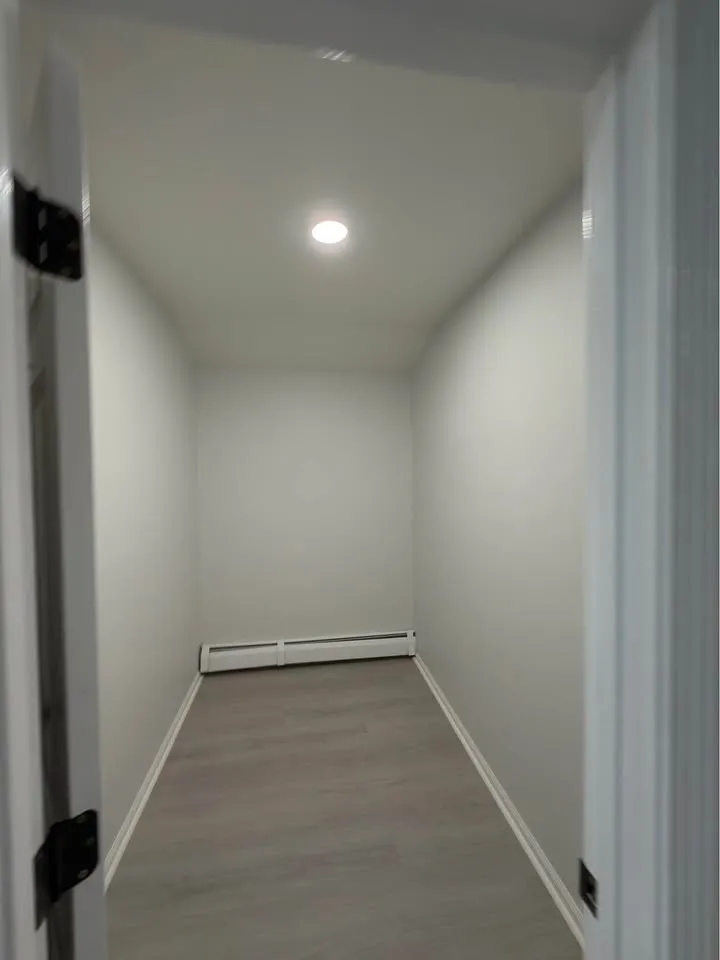
Finished corridor and stair opening 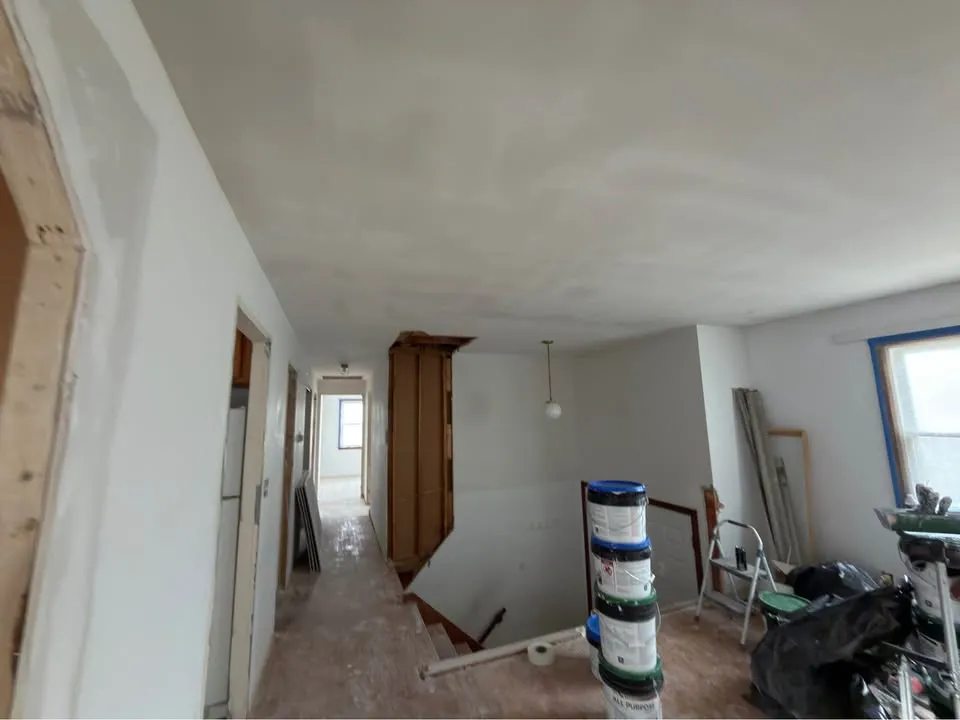
Partly stripped room with equipment 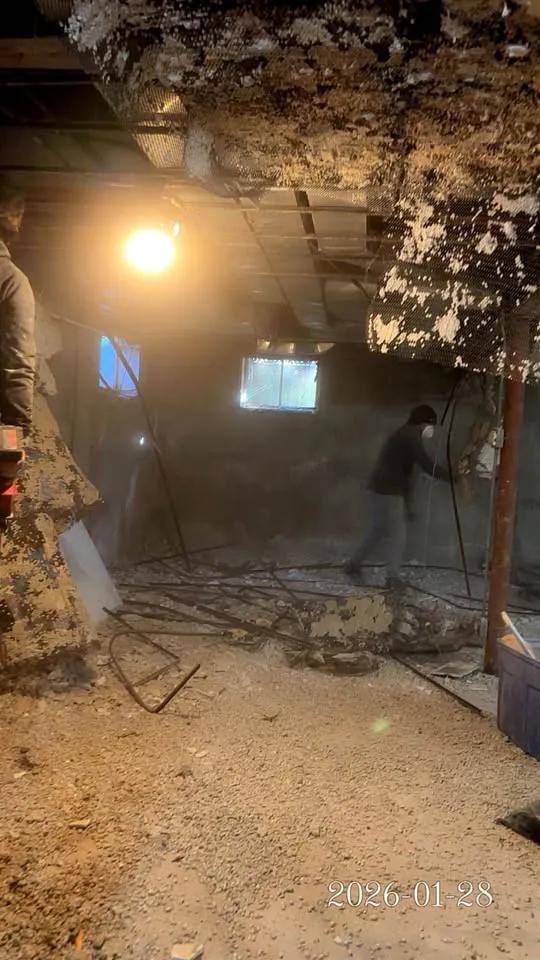
Interior work area with removed material
Questions we get asked
- Do you handle commercial interior strip-outs?
- Yes. Commercial work can include selected partitions, ceilings, finishes, fixtures and concrete where those items are included in the written scope and the required approvals and service isolations are in place.
- Can work be planned around other building occupants?
- The site review considers shared access, neighbouring units, loading areas and property rules. The workable sequence depends on the building and must be agreed before scheduling.
- Who identifies hazardous or designated substances?
- OHSA section 30 requires the owner to provide designated-substance information before the work is tendered. Asbestos-related examination and work are governed by O. Reg. 278/05.
- Does commercial demolition include debris removal?
- Debris load-out is defined in the written scope, together with the approved route, container location, salvage requirements and final handover condition.
Ready to book this job?
Tell us what needs to come down. We will arrange a site visit and prepare a written scope.