
Commercial planning
Office strip-out: separate contents from fixed fit-out
By Anchor Demolition Scarborough · Updated
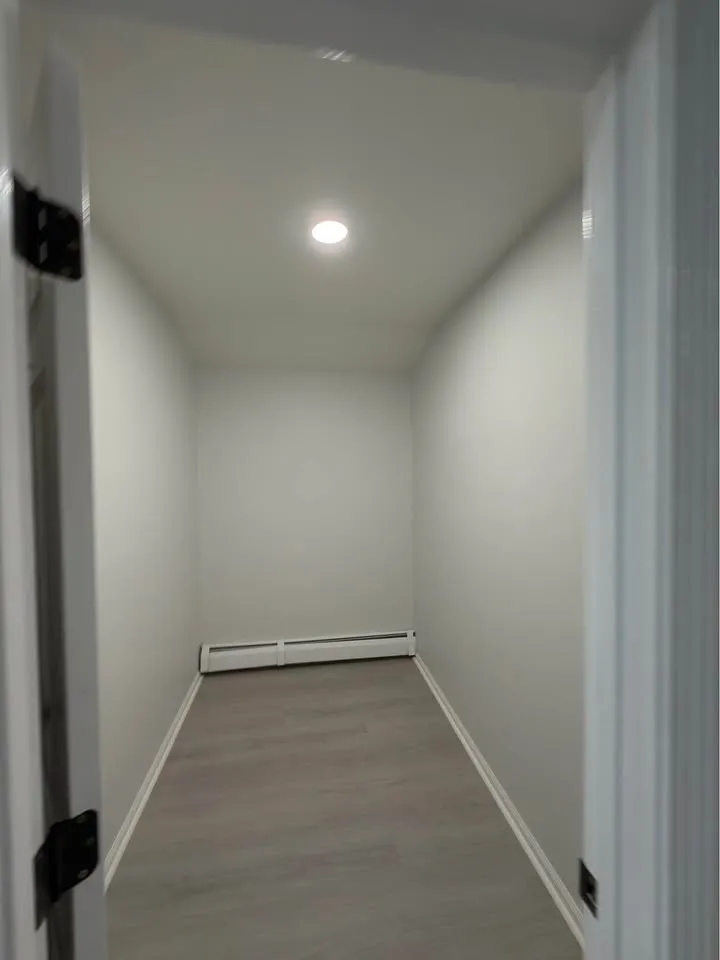
From Anchor’s authorised work library. General scope imagery, not an attributed case study for this guide.
Which office items belong in a contents collection and which need a reviewed strip-out scope? A zone-based office inventory assigns loose furniture, attached fit-out and building systems to different decisions and responsible contacts.
Use this planning record to prepare a discussion with Anchor about the actual property. It describes decisions for assessment, not instructions to carry out demolition.
Start with rooms and shared areas
List workrooms, meeting rooms, storage, reception and any common route. Identify the authorised decision-maker for each included area. An office address alone does not identify what belongs to the occupier, the landlord or another tenant.
Separate movable from attached
Desks, chairs and loose cabinets can be listed as contents. Fixed counters, partitions, ceiling elements and attached shelving need their own removal boundary. Name the item and its attachment rather than relying on labels such as office clearance or empty unit.
Your scope record
Use these fields to prepare the discussion. Leave an unknown item marked for assessment.
- Room or zone
- Loose contents approved for collection
- Fixed item needing assessment
- Owner or decision-maker
- Required handover condition
Keep records and systems outside the ordinary load
Have the responsible organisation deal with confidential documents, data-bearing equipment and retained assets before general removal. Electrical, communications, mechanical and other connected systems require an identified readiness contact. This is not a secure-destruction or IT-disconnection service claim.
Describe the landlord handover
Use the actual agreed handover requirements to identify retained finishes and excluded work. Anchor can assess the requested removal scope; the website cannot interpret a lease or declare that a unit satisfies it. Keep repairs and reinstatement responsibilities separate from removal.
An example of a clear boundary
Illustrative distinction: clear loose desks from a meeting room while the fixed reception counter remains pending a landlord decision. Do not put both on an undifferentiated furniture list.
Recheck the room after the office move
In an illustrative post-move walkthrough, desks have left but a fixed reception counter and partition enclosure remain. The landlord retains the enclosure, while the incoming tenant wants the counter removed. Mark the exposed floor footprint and ask the receiving contractor what repairs follow. The completed furniture move did not decide the attached-removal scope.
Keep confidential records and equipment release with the business's appointed parties. Use the office strip-out service for the defined building-removal assessment rather than ordering another contents collection for fixed fit-out.
Continue planning
Check requirements for your property
For requirements discussed in this guide, consult the applicable municipality and current primary sources before arranging work.