
Residential demolition
What is the difference between a cleanout, a strip-out and a gut?
By Anchor Demolition Scarborough · Updated
A cleanout removes movable contents and leaves the building untouched; a strip-out removes selected finishes and fixtures back to the retained structure; a gut removes every interior finish in the defined area to the studs and subfloor. The term affects permits, designated-substance information and the type of debris produced.
Using the right word helps, but a room-by-room written scope is more reliable than a label because owners and contractors sometimes use these terms differently.
A cleanout removes contents
A cleanout deals with furniture, boxes, appliances and other loose belongings. In a Scarborough house, that might mean clearing a basement, rental unit or entire property while leaving walls, cabinets and flooring in place.
Loose hazardous items still require separate channels, but removing ordinary contents does not disturb building materials. A cleanout by itself does not create the same survey questions as cutting walls or lifting finishes.
A strip-out is selective
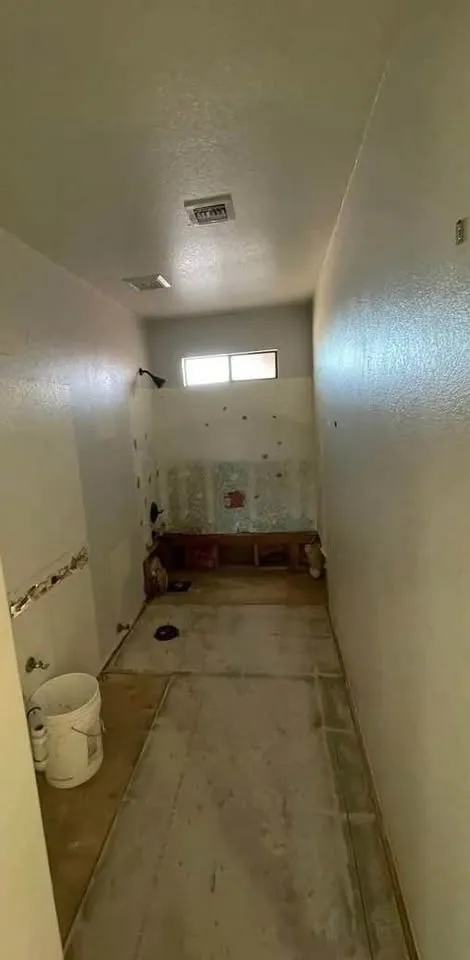
A strip-out removes chosen finishes or fixtures from specific rooms. Kitchen cabinets, bathroom fixtures, flooring, ceilings or damaged drywall can be included while sound framing and other finishes remain protected.
Because building materials are disturbed, the owner must address designated-substance information under OHSA section 30. O. Reg. 278/05 applies where asbestos may be involved, and Anchor does not perform abatement.
A gut reaches the basic interior structure
A full gut takes the defined interior back to studs and subfloor, or another expressly stated structural limit. It produces a broad demolition-debris stream and exposes services and concealed conditions that must be handled through the proper trades and approvals.
The exterior shell is not automatically part of an interior gut. Windows, structural framing, mechanical systems and foundations stay unless the drawings and written scope say otherwise.
Permits and debris follow the work
A loose-content cleanout does not ordinarily require a building permit. A strip-out or gut may require Toronto Building review depending on structural, service, occupancy and renovation changes. The owner should confirm the property-specific answer before disturbance.
Junk and demolition debris are not interchangeable. The existing junk versus debris guide explains why contents leave through a different stream from drywall, lumber, tile and fixtures.
What Anchor does about it
Anchor Demolition Scarborough walks the rooms and marks contents, finishes and structural elements separately. The proposal states whether the visit is a cleanout, selective strip-out, full gut or combined sequence, with exclusions and handover conditions written in plain language.
For a combined job, contents leave first so the crew can see the work area. Demolition follows only after survey, permit and service requirements are resolved for the materials and assemblies that will be disturbed.
Illustrative whole-house comparison
A house can need a contents cleanout in every room but attached removal in only a few. In this illustrative proposal, the owner clears stored belongings throughout, retains the upper-floor rooms and requests a kitchen strip-out downstairs. A separate basement area is defined for wider finish removal under the renovation plan. Calling the whole house a gut would lose those differences.
The room list records the contents stage, the kitchen's retained boundaries and the basement's agreed stopping point. Each area still follows its own material, service and approval requirements. This is a planning example, not a completed Anchor project.
Questions about this topic
- Does a cleanout include removing cabinets?
- Not unless the scope expressly adds them. A cleanout normally removes loose contents while cabinets remain part of the building. Taking fixed cabinets, counters or wall finishes moves the work into strip-out territory and can introduce building-material survey, service and debris considerations.
- Is a strip-out the same as a full gut?
- No. A strip-out is selective and can leave chosen walls, ceilings, flooring or fixtures in place. A gut removes all interior finishes within the defined area to a stated structural limit. The written room list should control rather than relying on either label alone.
- When does the survey duty matter?
- The duty matters before building materials are tendered for disturbance. OHSA section 30 requires the owner to provide designated-substance information, and O. Reg. 278/05 governs asbestos-related examination and work. Removing only loose household contents is different from opening walls or removing finishes.
- How should I describe the job when I call?
- Name each room, list loose contents separately from fixed finishes, identify anything that must stay and describe what the next trade expects to receive. Photographs help, but an on-site walk confirms access, concealed limits and whether the requested result is a cleanout, strip-out, gut or combination.
Continue planning
Check requirements for your property
For requirements discussed in this guide, consult the applicable municipality and current primary sources before arranging work.