
Choose the right scope
Appliance, furniture and mattress removal: what to confirm
Bulky movable items, with disconnections, stairs and carrying routes checked first.
Identify what leaves, what stays and the condition you need for the next stage. Share access restrictions, attached services and any known material concerns for the site assessment.
Prepare this scope
What's included
- Fridges, stoves, washers and dryers prepared for removal
- Air conditioners prepared by the appropriate technician
- Couches, chairs, tables and bed frames
- Mattresses and box springs
- Carry-out through approved apartment and condominium routes
- Separate loading of metal and mixed household items
How the job runs
- 01
List the items
Identify each appliance or furniture piece, its floor and any damage that changes how it must be handled.
- 02
Review the route
We confirm doors, stairs, elevators, corridors, loading areas and building booking requirements.
- 03
Prepare appliances
Owners arrange disconnection and any required refrigerant recovery before the collection visit.
- 04
Protect retained areas
The agreed carry path is cleared and vulnerable surfaces are addressed before large items move.
- 05
Carry and load
The crew removes items in an order that keeps the route controlled and separates metal where practical.
- 06
Check the space
Included rooms and common-route obligations are reviewed after loading, with loose debris swept from the work area.
Before we start
The owner or building contact should empty appliances and furniture, remove personal papers, arrange elevator or loading access and confirm that every listed item may leave. Electrical, water and gas connections must be made safe by the appropriate trade where required.
Refrigerant in fridges and air conditioners must be recovered by a certified technician before disposal when recovery is required. The City of Toronto curbside collection program is a separate option that owners may review directly with the City.
Carry-out from shared buildings
Apartment and condominium removals depend on more than the item itself. Elevator reservations, loading doors, corridor protection and property rules can determine the workable collection window. We use the approved route and keep removed items within the designated loading area rather than blocking common space.
A site description should flag tight turns, split stairs and items that are damaged or unstable. A sofa that can travel intact is different from a broken cabinet with loose glass. The crew plans the order so the largest pieces do not trap smaller items or interrupt access for residents.
Appliance preparation and sorting
Appliances must be disconnected and ready to move before the crew handles them. Water lines, gas connections and hardwired electrical work stay with the appropriate trade. Refrigerant requirements are addressed before disposal, not after an appliance has entered a mixed load.
Metal appliances, bed frames and other recoverable items can be loaded separately where practical. Mattresses, upholstered furniture and mixed contents follow the receiving stream suited to the item. This service removes the listed contents; repairs, moving to a new residence and storage are not included.
Related work
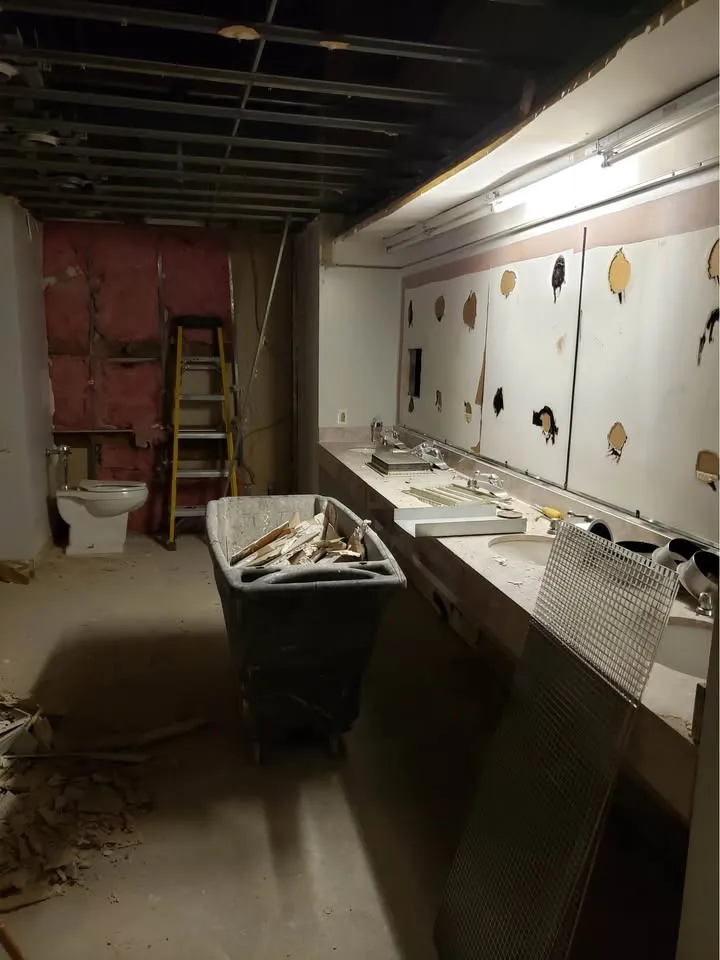
Interior with cabinetry and exposed ceiling 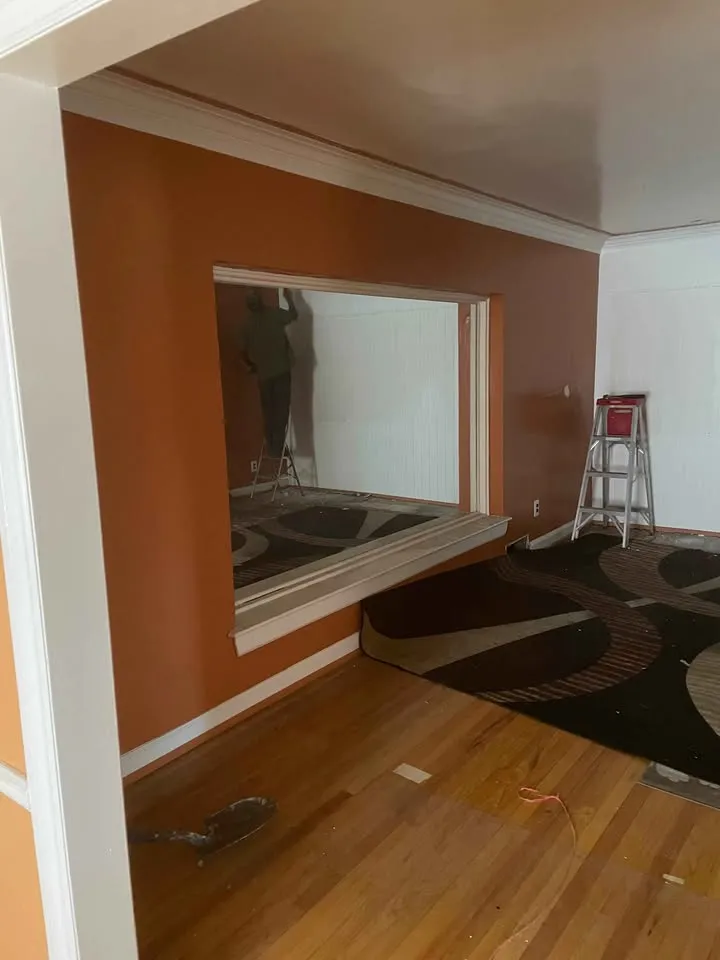
Room with a large wall mirror and rolled carpet 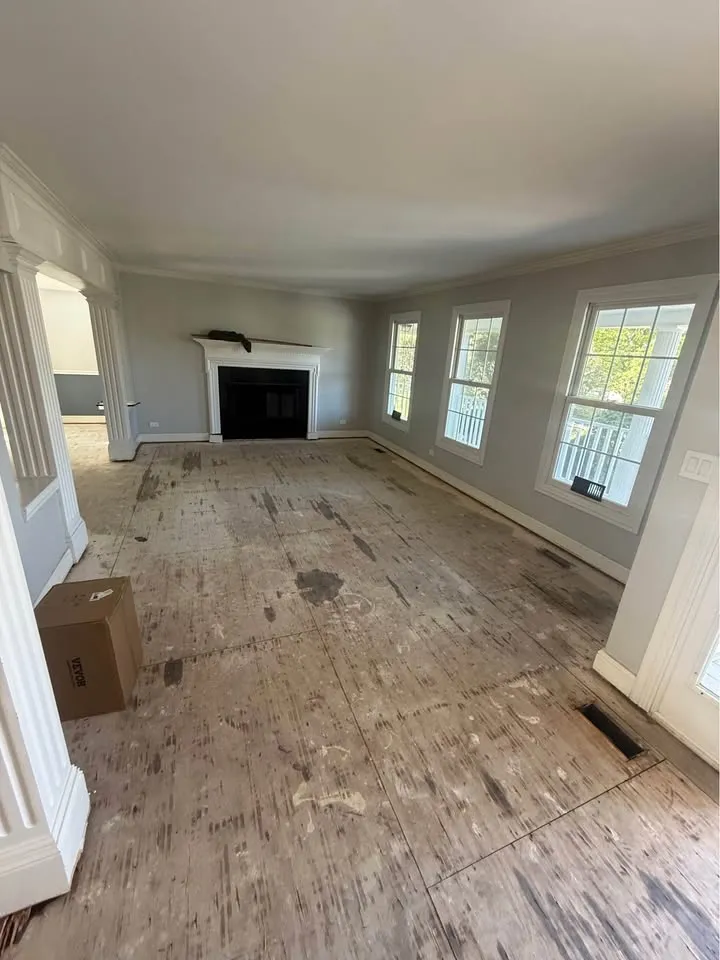
Room with floor covering removed
Questions we get asked
- Can you remove a fridge or air conditioner?
- Yes, after the appliance is disconnected and any required refrigerant recovery has been completed by a certified technician. Tell us the appliance type, floor and route so the pickup plan reflects stairs, elevators and loading access.
- Do you collect mattresses and box springs?
- Mattresses and box springs can be listed with other furniture or as a smaller collection. They should be accessible, dry and free of personal belongings. Building and elevator arrangements remain the owner's responsibility before the crew arrives.
- Can items be carried out of a condominium?
- Yes, where property management has approved the route and loading arrangements. The owner or tenant should secure required elevator bookings, access permissions and parking instructions, then share them before scheduling so the crew can follow building rules.
- Do you disconnect appliances?
- Disconnection work is not assumed. Water, electrical and gas connections must be made safe by the appropriate party or trade before carry-out. The crew confirms readiness before moving an appliance rather than pulling against an active or unknown connection.
Ready to discuss the work?
Tell us what needs to be removed. We will review the site and prepare a written scope.