
Debris removal
Planning separate pickups for contents and demolition debris
By Anchor Demolition Scarborough · Updated
When a project includes both a cleanout and demolition, plan two removal stages around the work that creates each load. A furniture collection cannot confirm the later volume of drywall, flooring or concrete that is still part of the building.
Use this handoff record when the same property has separate collection visits or different contractors. For help identifying the two material types, start with the linked contents-versus-debris guide.
Give each stage its own inventory
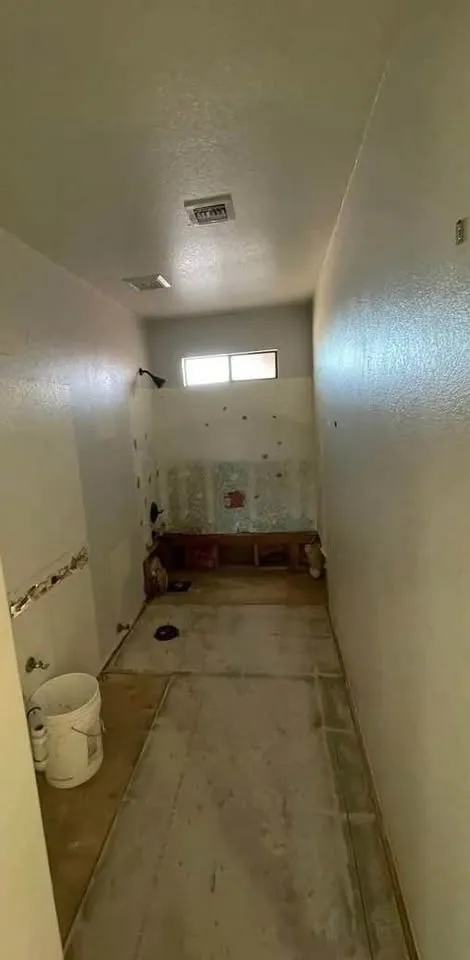
For the contents stage, list the rooms, loose items and pieces intended to stay. For the demolition stage, list the finishes or assemblies being removed and who will release them. A photograph of a furnished room is useful for a cleanout but does not establish the later debris load.
Mark the transition clearly: contents removed, room available for assessment, then separately authorised demolition. If one provider covers both stages, keep those boundaries visible in the written scope.
Name the person releasing the next collection
Record who tells the collection crew that material is ready. Agree where the load will be staged and who checks the access route before booking. If demolition has not finished, identify what can leave and what still needs to remain available for inspection.
- Contents inventory approved by the authorised client
- Demolition scope and material review completed separately
- Person confirming the load is ready named
- Loading route and container position confirmed
- Final sweep and excluded material assigned
Avoid an unclaimed gap between contractors
A demolition agreement may include loading, hauling, both or neither. A haul-away request may cover only a prepared pile. Ask each provider to describe the starting condition it expects and the condition it will leave. Do not assume that one provider will move material to meet the other provider halfway.
If a load differs from its description, have the responsible contact resolve the revised scope before collection. Keep unidentified or excluded items outside the agreed inventory rather than adding them to an otherwise accepted load.
Close each stage with a record
Use dated photographs of the listed rooms and collection area, noting any remaining items and who is handling them. The second visit can then be assessed against a clear starting point. Keep the first collection record with the demolition scope so a cleared room is not mistaken for approval to remove its finishes.
Questions about this topic
- Must the same crew handle both loads?
- No. What matters is that the providers agree on the inventory, access and handoff between stages. Confirm the actual included work in each scope.
- Can a removal visit be arranged before demolition is finished?
- Describe the ready portion and the remaining work separately. The site review determines whether the collection can proceed without disrupting the work area.
Continue planning
Check requirements for your property
For requirements discussed in this guide, consult the applicable municipality and current primary sources before arranging work.