
Scope records
Record a scope change after demolition starts
By Anchor Demolition Scarborough · Updated
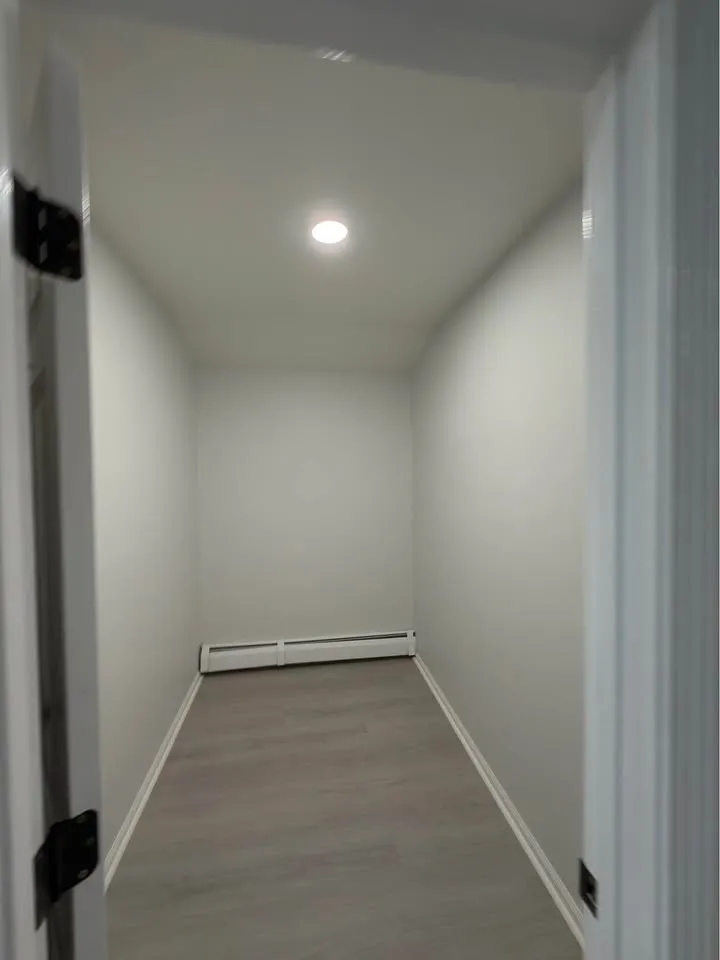
From Anchor’s authorised work library. General scope imagery, not an attributed case study for this guide.
How should an owner record a proposed change when the exposed work differs from the original plan? A change record separates the observed condition, the requested decision and the revised removal boundary, without turning uncertainty into permission to continue.
Use this planning record to prepare a discussion with Anchor about the actual property. It describes decisions for assessment, not instructions to carry out demolition.
Describe the observation before the solution
Reference the room, photograph and original scope item. Record what has become visible or what request has changed. Avoid assigning a structural role or material identity without the appropriate assessment; write down what is known and what remains unresolved.
Name the decision-maker
Identify the owner or authorised project contact and any designer or trade whose input is required. A crew member receiving a casual request should be able to point to the person who can approve the revised scope. Work outside the agreed boundary needs a clear decision before it is included.
Your scope record
Use these fields to prepare the discussion. Leave an unknown item marked for assessment.
- Original scope reference
- Observed condition or new request
- Information still needed
- Revised boundary and endpoint
- Decision, authorised contact and date
Describe the revised boundary
State what additional item would leave, what would remain and how the proposed endpoint differs. Include any effect on the carrying route, debris inventory or receiving trade. A change to one room can affect another part of the agreed sequence.
Keep the decision with the job record
Record whether the change is approved, declined or pending, and retain the relevant written direction. Share it with the people performing and receiving the work. This record supports coordination; it does not replace required professional assessment or approvals for the actual change.
An example of a clear boundary
Illustrative record: the owner requests removal of an additional cabinet after the room is cleared. Its attachments and adjoining retained finish are reviewed before the extra item enters the scope.
Continue planning
Check requirements for your property
For requirements discussed in this guide, consult the applicable municipality and current primary sources before arranging work.