
Debris removal
Bin rental or a haul-away crew: which is right for a Scarborough renovation?
By Anchor Demolition Scarborough · Updated
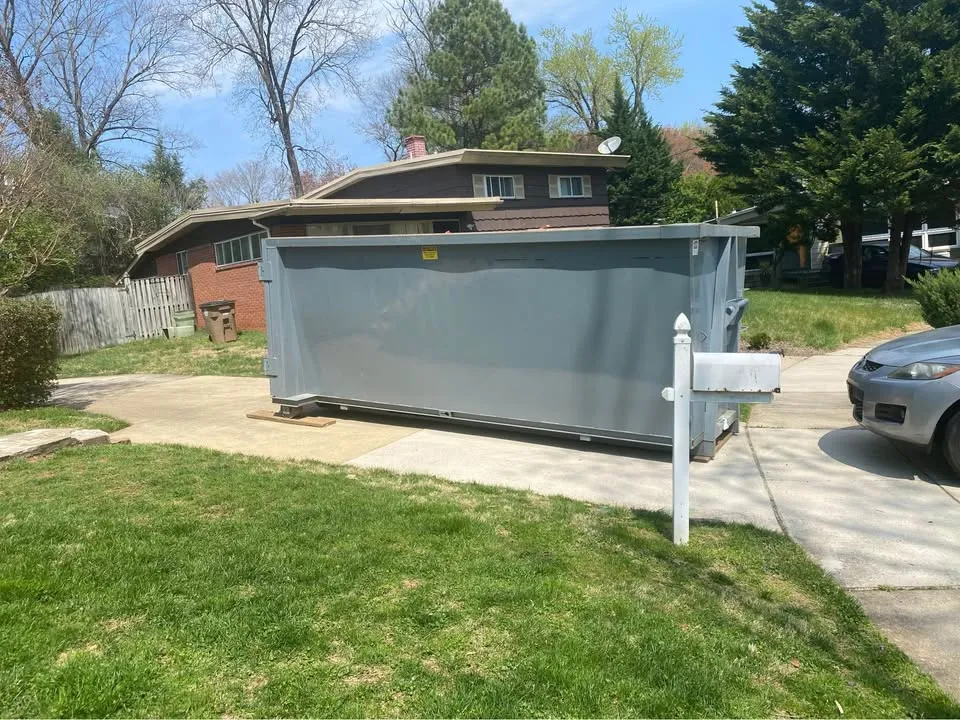
A bin suits a renovation that produces debris over days or weeks and has a driveway where the container can be placed safely. A haul-away crew suits a single prepared load, a property without bin space, items that need carrying out or work where the confirmed debris must leave during the collection visit.
Neither choice is automatically better. Access, who will load, material types and the construction sequence determine the useful option.
Start with the driveway and street
A bin needs more than the footprint visible after delivery. The truck requires a safe approach, placement and retrieval path. Gates, eaves, overhead wires, parked vehicles, turns and surface condition can make a driveway unsuitable even when the container itself appears to fit.
The narrow driveway explainer shows why actual measurements matter. If a container would occupy a roadway, sidewalk, boulevard or public laneway, the bin permit guide explains the Toronto Street Occupation Permit requirement. Public space should never be treated as automatic overflow for a tight renovation site.
Decide who will load
A rented container generally leaves loading with the renovator, trades or homeowner. They must carry debris, keep it within the container and follow material and loading rules throughout the project. This can work where debris appears steadily and the site team already controls housekeeping.
A haul-away crew takes responsibility for carrying and loading the accepted material named in the scope. It is particularly useful for basements, upper floors and prepared piles that cannot be moved safely by the occupants. The route is reviewed before the crew arrives.
Mixed loads still need sorting
Neither method turns prohibited material into accepted debris. Paint, fuel, cylinders, batteries and suspect asbestos-containing material stay out. Dense concrete or soil may also require a different plan from bulky wood, drywall or cabinets because receiving and loading conditions differ.
Metal, clean wood, drywall and mixed debris can be separated where practical. A haul-away crew can sort during the collection. With a bin, everyone using it needs the same instructions so one unsuitable item does not compromise material already loaded.
Timing and weather affect the choice
A container supports work that produces material in stages, but the project must keep it controlled and within acceptance limits while it remains on site. Rain or snow can affect exposed debris, bagged dusty material and the condition of the loading route. Covers or other controls depend on the provider and site.
Crew loading concentrates the removal into an arranged visit after material is ready. This reduces the time debris remains outside but requires the renovation team to finish staging first. A promised completion time should not replace a realistic review of access and actual material.
Combining both on a larger renovation
A larger renovation may use a container for steady construction debris and a crew for an initial contents clearout, interior carry-out or final collection. The two scopes should identify who loads each stream and when the work area changes hands. This prevents household junk, restricted material and construction debris from becoming one uncontrolled pile.
How Anchor advises at the site walk
Anchor Demolition Scarborough measures the practical route, reviews the debris and asks how the renovation will produce it. The written recommendation can use direct haul-away, a container plan or both. It identifies owner responsibilities, accepted materials, sorting, public-space concerns and the final sweep rather than selecting equipment from a photograph alone.
Questions about this topic
- Is a bin better for a long renovation?
- It can be useful when accepted debris is produced over several work stages and suitable private-property placement is available. The site team remains responsible for correct loading, source separation and keeping prohibited material out throughout the rental. Confirm the renovation sequence and pickup plan before choosing the container.
- Does a haul-away crew carry debris from inside?
- Yes, when interior carry-out is included in the written scope and the route is safe. Stairs, doors, elevators, occupied areas and surface protection are reviewed before arrival so the collection plan reflects the actual property. The scope identifies the starting room and the approved exterior loading point.
- Can a bin be placed on the street?
- Only after the applicable City of Toronto permission is in place. A roadway, sidewalk, boulevard or public laneway is public space. The permit guide explains the Street Occupation Permit issue without assuming approval for a particular address. Obtain the permit before scheduling delivery onto any part of public space.
- Can one project use both options?
- Yes. A crew may clear contents or handle a difficult interior carry-out, while a container supports later renovation debris. The written scopes should state who loads each stream and prevent restricted or household material from entering the construction load. Separate labels and instructions keep the two removal methods working together.
Continue planning
Check requirements for your property
For requirements discussed in this guide, consult the applicable municipality and current primary sources before arranging work.