
Scope records
Retaining fixtures during a strip-out: an inventory first
By Anchor Demolition Scarborough · Updated
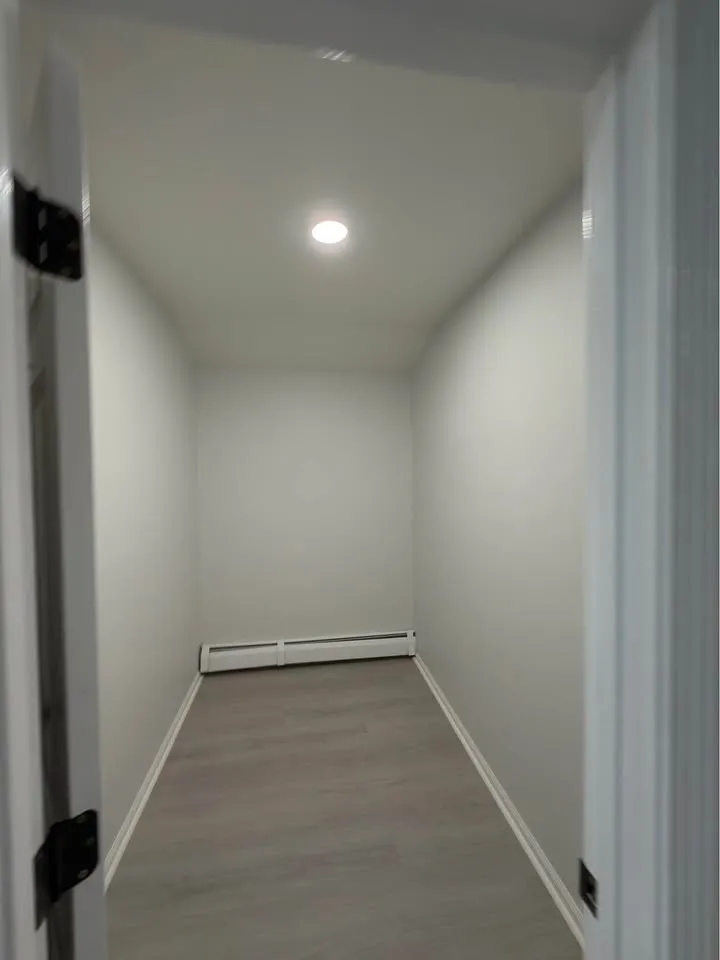
From Anchor’s authorised work library. General scope imagery, not an attributed case study for this guide.
How do I identify fixtures I want to keep without assuming every item can be recovered intact? A retention inventory records priority, condition, handling responsibility and the destination before ordinary removal begins.
Use this planning record to prepare a discussion with Anchor about the actual property. It describes decisions for assessment, not instructions to carry out demolition.
Identify items before the removal sequence
Photograph each fixture or fitting and give it a clear reference. Separate must-remain items from pieces the owner hopes to recover. A general instruction to save anything useful asks the crew to make decisions that belong to the client.
Ask whether recovery is feasible
The item’s condition, attachments and surrounding construction affect whether it can be retained or removed intact. Have the site review address those questions. A retention list is not a guarantee of recovery, restoration or resale value, and it does not establish a specialist deconstruction service.
Your scope record
Use these fields to prepare the discussion. Leave an unknown item marked for assessment.
- Fixture reference and photograph
- Retain in place or assess recovery
- Observed condition
- Receiving person and location
- Decision confirmed before removal
Assign the destination and handling
Record who will receive the item, where it can be placed and whether another party handles collection or storage. Do not assume demolition includes transport to a new property or arranging a donation. Items that remain on site need an agreed location outside the work route.
Keep priorities visible at handover
Confirm which items stayed in place, which were released for the responsible party and which remain unresolved. Update the list when the owner changes a decision. The demolition scope should reflect the agreed inventory rather than relying on labels that can become detached or unclear.
An example of a clear boundary
Illustrative entry: retain the labelled door in place while its reuse decision is pending. Do not treat a request to keep it as confirmation that it can be removed intact.
Illustrative commercial retention decisions
A retailer plans to keep a display cabinet, have a supplier collect a proprietary partition system and discard an obsolete fixed counter. Give each a distinct label and responsible contact. Keeping the cabinet in place, handing the partition to a specialist and removing the counter for disposal require different instructions.
Identify which adjoining finishes remain and who accepts any item intended for reuse. An inventory records intention and responsibility; it does not guarantee intact salvage or suitability for installation elsewhere.
Continue planning
Check requirements for your property
For requirements discussed in this guide, consult the applicable municipality and current primary sources before arranging work.