
Debris removal
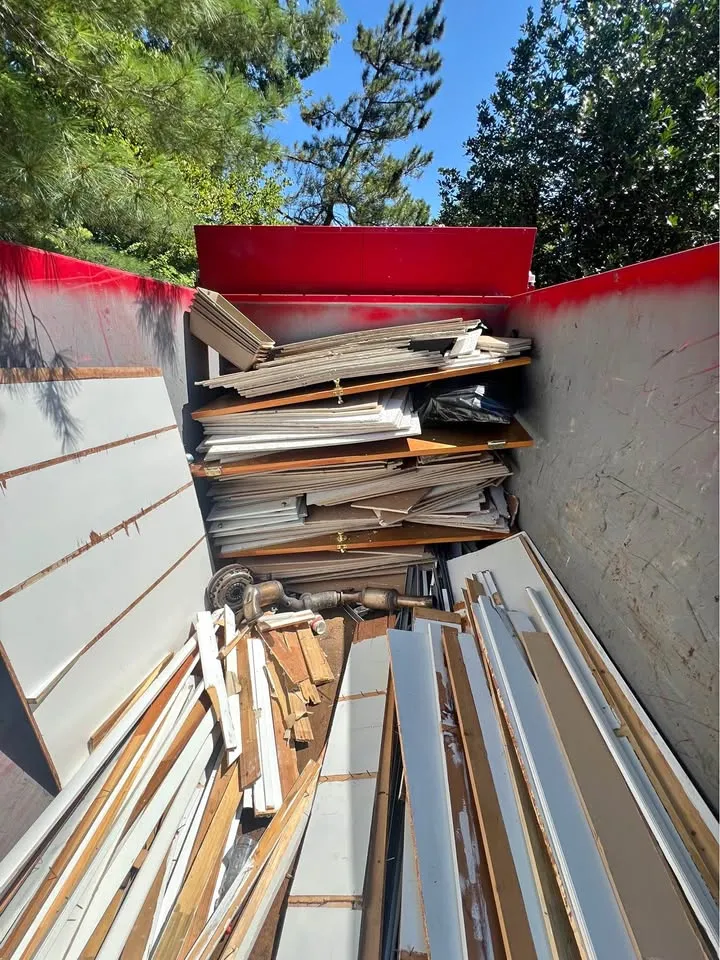
The contractor left a pile of debris in my driveway. Who hauls it?
By Anchor Demolition Scarborough · Updated
Any haul-away crew can remove the pile once you have checked the contract to confirm who was responsible for disposal. The debris cannot remain on the street or boulevard, and hazardous or regulated material must be separated before the rest is loaded.
The immediate goal is to make the pile safe and removable without erasing the record of what the previous contractor left behind.
Read the original contract first
Look for language about loading, disposal, cleanup and the final condition of the driveway. Disposal may have been included in the original scope, expressly excluded or assigned to the owner. The written terms help the parties discuss responsibility without relying on different memories of a conversation.
If the contractor is available, ask in writing whether the pile will be collected. Do not allow a contract dispute to turn into unsafe public-space storage. An independent crew can perform the physical removal even while the owner keeps records for a separate discussion about responsibility.
Keep debris off the road allowance
A driveway pile must remain on private property and out of the roadway, sidewalk and boulevard. Material placed in public space can obstruct pedestrians, drainage, traffic and City operations. The existing bin permit guide explains when a container occupying public space requires City permission.
Loose boards and fragments should be contained so wind, rain or vehicle movement cannot push them beyond the property. Moving the pile farther into the street for easier loading is not an acceptable shortcut. The haul-away plan should work from lawful access on the property or an approved public-space arrangement.
Sort the pile before loading
A renovation pile can contain lumber, drywall, metal, tile, fixtures and general rubbish. Metal can be separated for recovery, while ordinary demolition material follows the receiving facility's acceptance rules. The guide on what cannot go in a demolition or junk bin identifies hazardous and regulated items that need their own channel.
Paint, solvents, fuel, batteries, propane tanks, suspect asbestos-containing material and similar items do not belong in an ordinary load. The crew screens the pile from the visible edges, asks what work produced it and stops when an unidentified container or suspect material needs clarification.
Account for rain and weather
Wet drywall, plaster, wood and insulation become heavier and harder to handle. Covering a lawful private-property pile can limit further saturation, but it does not make mould, sharp edges or unstable stacking safe to handle without assessment. The crew plans lifting and load order around the condition found on arrival.
Weathered material can also conceal nails, broken tile and small metal pieces. A controlled loading route and final sweep reduce what remains on the driveway. The crew does not promise that damaged materials can be recovered or reused merely because they were separated before loading.
What Anchor does about it
Anchor Demolition Scarborough reviews photographs and the pile at the site, identifies obvious material streams and states what is accepted before loading. The owner retains responsibility for resolving the original contract, while Anchor provides a clear debris-removal scope for the physical cleanup.
Anchor separates prohibited items, loads approved debris from the designated area and sweeps the route at handover. Before removal, the owner can photograph the full pile and surrounding surface to preserve a neutral record of the condition that existed after the original contractor left.
Questions about this topic
- Can another crew remove debris created by my contractor?
- Yes. A haul-away crew can remove accepted material even if another contractor created it. Review the original agreement first so you understand who accepted disposal responsibility, and keep the independent removal record if that responsibility is still being discussed afterward.
- Can the debris stay on the boulevard until pickup?
- No. The boulevard, sidewalk and roadway are public space, not an extension of the driveway. Keep the pile on private property. If a container must occupy public space, consult the existing permit guide and obtain the required City permission before placement.
- What happens if paint or propane is mixed into the pile?
- Those items are separated before ordinary debris is loaded and directed through an appropriate hazardous or regulated channel. A crew should not bury them inside the load. Tell the hauler about any known containers, fuel, batteries or cylinders during the first conversation.
- Why photograph the pile before removal?
- Photographs preserve the amount, location and visible condition of the debris before it changes. They can support a discussion with the original contractor and help the new crew plan. Images do not decide contractual responsibility, but they create a useful factual record.
Continue planning
Check requirements for your property
For requirements discussed in this guide, consult the applicable municipality and current primary sources before arranging work.